

LONDON, U.K.: Legislation approved by the British parliament on March 10 has ensured the removal of the remaining hereditary peers from the House of Lords.
The House of Lords passed the Hereditary Peers Bill on the evening of March 10, ending a centuries-old system of aristocratic seats in the upper chamber secured by birth.
It fulfilled a reform launched more than 25 years ago and a key manifesto pledge from Prime Minister Keir Starmer's Labour government to modernize the upper chamber.
Angela Smith, leader of the upper chamber, said the House of Lords plays an important role in the country's two-house parliament, but people should not become members simply because they inherited a title.
She said that passing the bill is an important first step in reforming the House of Lords, and that more changes are planned, including rules on when members should retire and how actively they must participate.
Before this reform, 92 hereditary peers still had the right to sit and vote in the chamber. This number remained after more than 600 hereditary members were removed in 1999 by former Labour prime minister Tony Blair, who called the hereditary system outdated.
Under the new system, about 15 Conservative hereditary peers will receive lifetime memberships, and the party will decide who to nominate.
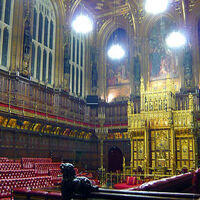
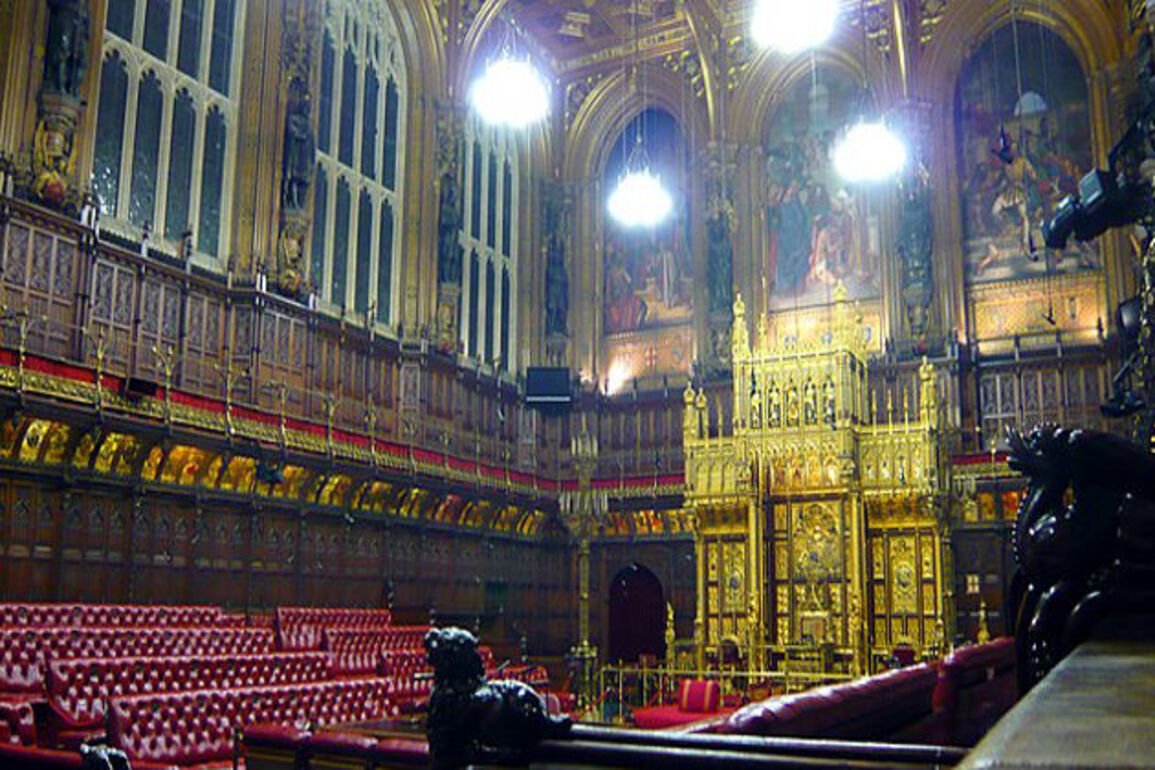
The red and gold chamber at the Palace of Westminster currently has around 800 members. Most are appointed for life by the prime minister based on recommendations from political parties or an independent commission. Others include bishops from the Church of England and, until now, some members who inherited their titles.
Critics have long argued that the appointment system needs reform. They say it encourages favoritism and has created the largest upper chamber in the world, even bigger than the 650 elected members in the lower house, the House of Commons.
The House of Lords can suggest changes to laws, but it cannot permanently block them. The elected House of Commons can reject any amendments made by the Lords.