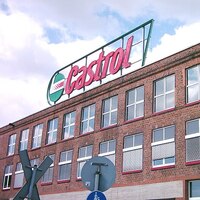


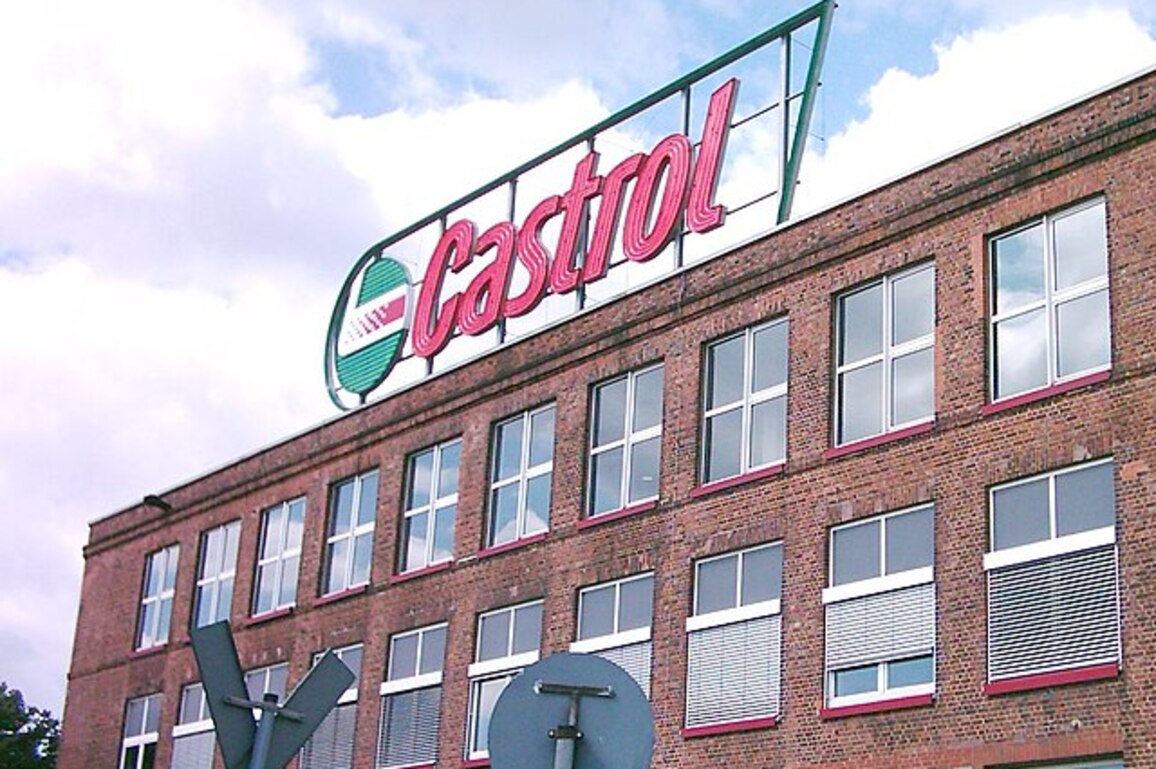
LONDON, U.K.: BP has agreed to sell control of its Castrol lubricants business in a US$6 billion transaction, marking a significant milestone in the oil company's effort to reduce debt and streamline its portfolio.
The London-listed energy group said on December 24 it would sell a 65 percent stake in Castrol to investment firm Stonepeak, valuing the business at $10.1 billion. BP will retain a 35 percent holding in a newly formed joint venture, thereby remaining exposed to Castrol's future growth. The company said it may sell its remaining stake after a two-year lock-in period.
BP said proceeds from the deal, including about $800 million tied to accelerated dividend payments, will be used to reduce debt.
In a separate statement, Stonepeak said the Canada Pension Plan Investment Board will invest up to $1.05 billion as part of the transaction, giving it an indirect stake in Castrol.
The Wall Street Journal and the Financial Times first reported details of the agreement late on December 23.
Reuters had reported in November that BP was in talks with Stonepeak over the sale as part of a broader plan to divest around $20 billion in assets by 2027. Offloading the lubricants unit has been a central element of that strategy, aimed at cutting costs and strengthening the balance sheet.
Castrol's sale process began earlier this year after BP said in February it had placed the business under review. The move followed a broader strategic shift away from renewables and toward refocusing on BP's core oil and gas operations. In September, Stonepeak and private equity firm One Rock submitted bids for the unit.
The transaction represents the most significant component of BP's current asset-disposal programme and comes amid wider changes at the company's top leadership.
Last week, BP named Meg O'Neill, the chief executive of Woodside Energy, as its next CEO, succeeding Murray Auchincloss. The leadership change reflects mounting pressure on BP to improve profitability and share performance, which has lagged behind that of rivals such as ExxonMobil.
In August, BP also launched a review of how best to develop and monetise its oil and gas production assets. That review followed the appointment of chair Albert Manifold, who has called for a more profound reshaping of BP's portfolio to boost returns.