

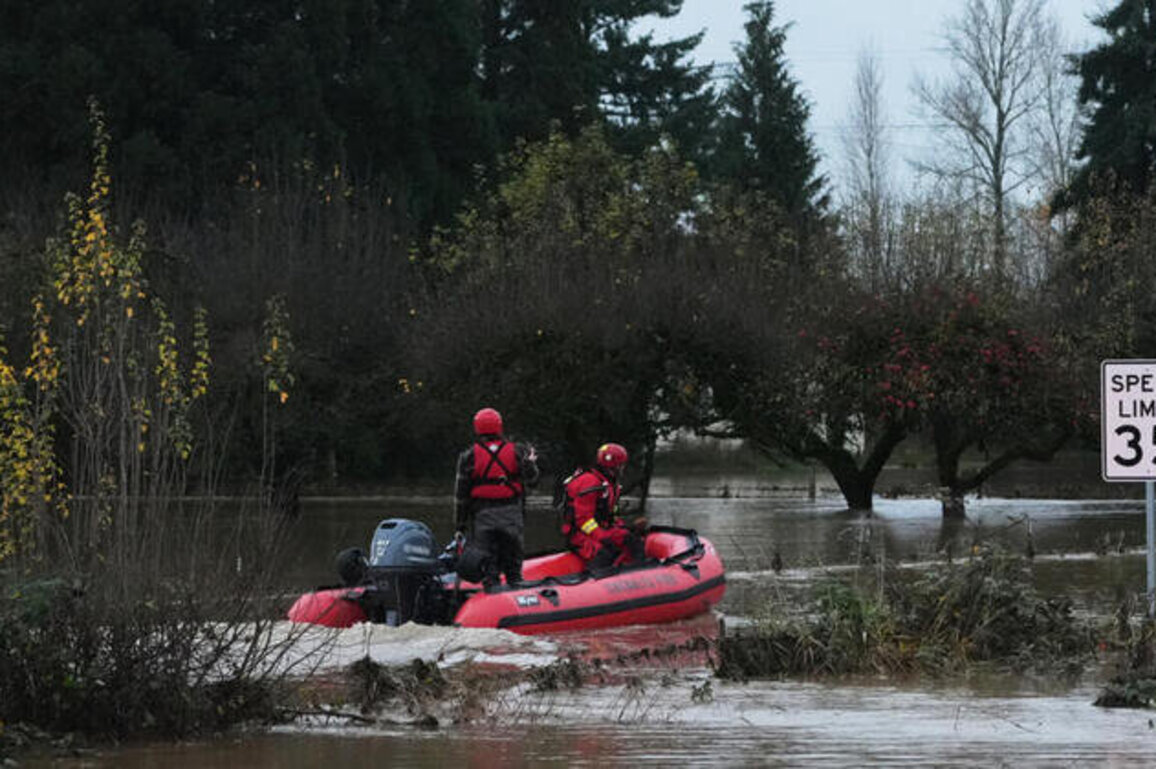
Tens of thousands of people were under evacuation orders Thursday in western North America, after days of heavy rain forced rivers to burst their banks.
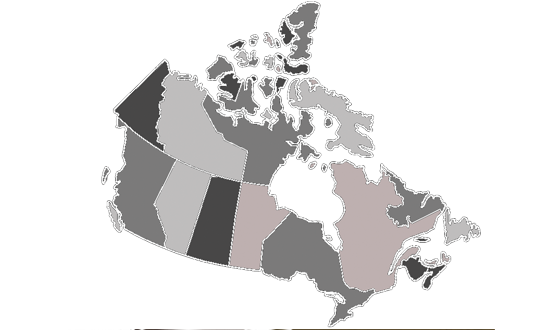
Storms have batteredWashington statein the US and British Columbia over theCanadianborder for several days, with rivers continuing to rise.
People living south of Seattle and Tacoma have been told to leave their homes, with aerial photographs showing farmland already underwater, and populated areas perilously close.
"Level 3 (GO NOW) order is in place due to flooding. There is significant threat to life and or property," said a warning from the city of Orting.
"Immediate threat to life. This is a lawful order to leave now. The area is lawfully closed to public access."
Several properties in Snohomish, north of Seattle, were already flooded, while downtown parts of the border city of Sumas were under water.
Just over the frontier, swathes of the Canadian city of Abbotsford were swamped, with hundreds of properties at risk.
Several major highways leading in and out of Vancouver were closed in places, British Columbia platform Drive BC said on its website.
Meteorologists said an atmospheric river chugging in from the Pacific Ocean has dumped more than 10 inches (25 centimeters) of rain in some places.
The downpour lessened on Thursday, but the after-effects were expected to linger as the high volumes of water made their way through the river system.
"While drier weather looks to be in store for this area of the country through the upcoming weekend, the major to catastrophic flooding effects are likely to continue for several days across portions of western Washington State and northwestern Oregon," the US National Weather Service said.
Dozens of members of the Washington National Guard have been mobilised to help with sandbagging and other relief efforts, with another 200 troops on their way, the military said.
Scientists say human-causedclimate change, driven chiefly by unchecked burning of fossil fuels thoughout the industrial age, is worsening natural variations in rainfall.
A warmer atmosphere creates wilder swings in seasonal weather, causing more powerful storms andfloodsin some places, while leaving others dry for extended periods.
(FRANCE 24 with AFP)
Originally published on France24